Home/News/Padikkal Galle hundred, fantasy captain pick read
Fantasy Tips
Padikkal Galle hundred, a fantasy captain-pick read from India's hot-conditions Test win over Sri Lanka
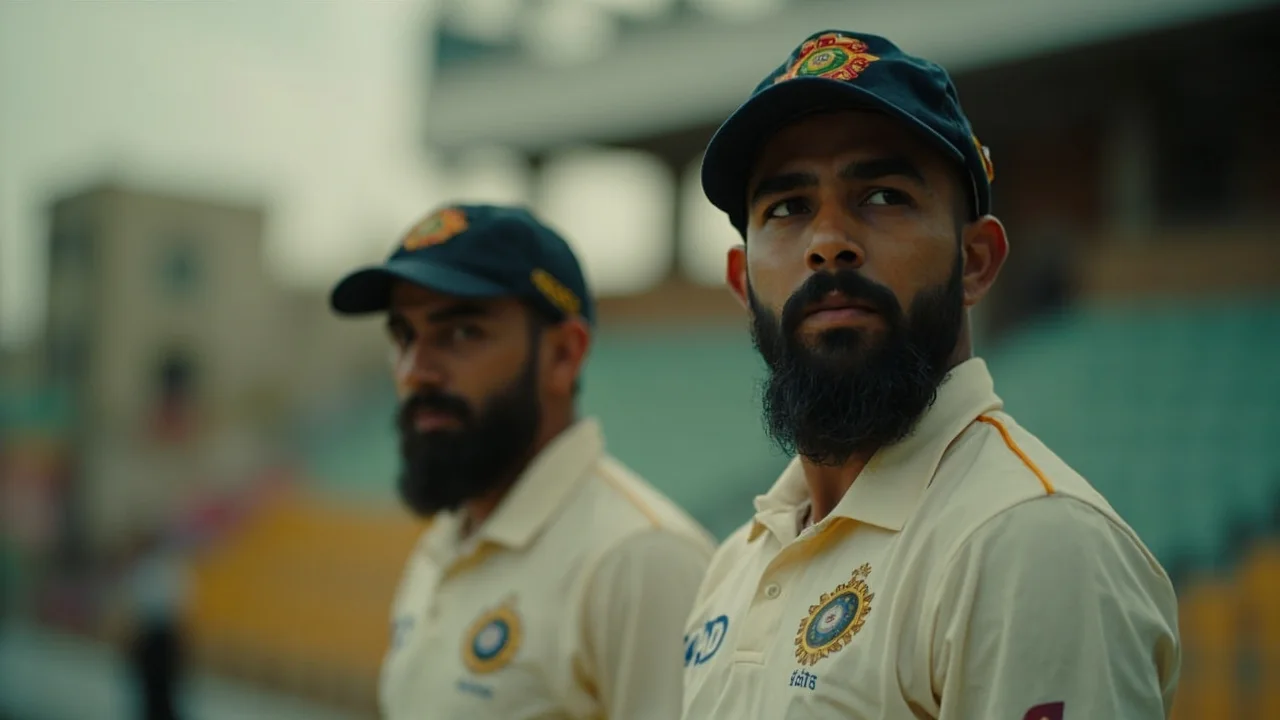
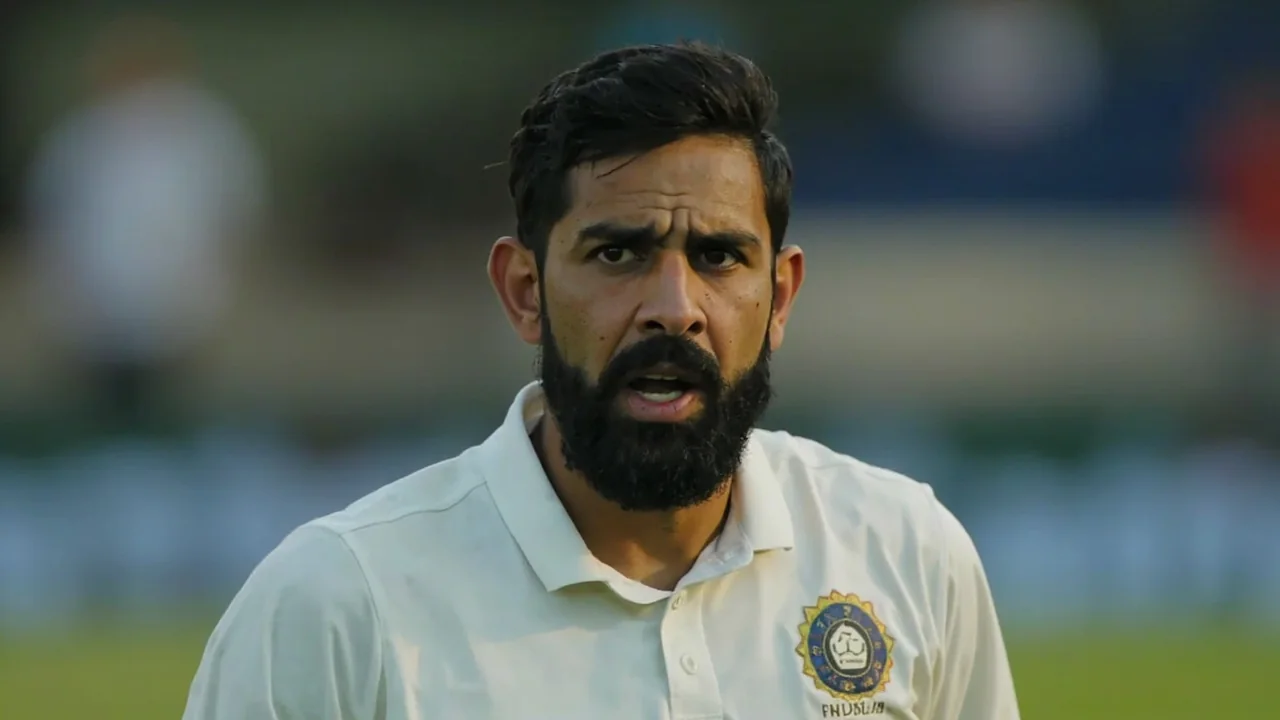
Devdutt Padikkal's first-innings century in Galle was the single biggest fantasy captain-pick signal from India's first SL vs IND 2026 Test win. KL Rahul called it the defining part of the match, Padikkal had spent a month in Sri Lanka before the series, and Manav Suthar's 10-fer closed the contest. The read turns those facts into selection lessons for red-ball fantasy contests.
By Come Sports Newsroom·8 min read·Source: Cricfit
Compliance Notice: Fantasy sports involve skill and strategy; outcomes depend on real-world match performance. 18+ only. Play responsibly in states where permitted. Editorial coverage is independent of any contest entry.
Devdutt Padikkal had been in Sri Lanka for roughly a month before the first ball of the SL vs IND 2026 series was bowled. By the time India walked off at Galle with a comfortable first-Test win, the decision to send him early had paid for itself in a single first-innings hundred. KL Rahul called it the defining part of the match. For fantasy cricket players who treat red-ball contests as seriously as white-ball ones, the innings was a captain-pick signal worth decoding.
The Test finished inside four days. India took a 1-0 series lead, Manav Suthar took a 10-fer across the match, and Rahul's verdict on Padikkal summed up the shape of the contest. The fantasy read is not about the scoreboard alone. It is about what a pre-series acclimatisation block, a flat batting surface and a hot, physically draining day told fantasy players about how to pick a captain in a long-format contest.
Why Padikkal's innings was a captain-pick signal
Rahul's exact framing of the innings was this: "I think that innings was for me the defining part of this Test match. The way he batted, the tempo that he batted with and to go on and get a big 100 in the first innings really set up the game for us." A first-innings hundred that sets up the rest of the match is the highest-value batting innings in any red-ball fantasy scoring system. The 2x or 1.5x captain multiplier on the top-order batter who scores 100-plus is worth more than a fourth-innings chase cameo.
The signal sits in the player profile, not just the number. Padikkal is a top-order batter who came into the Test on the back of a six-week acclimatisation block in Sri Lanka. He had played a couple of games there and a practice match to settle into the conditions. A batter who has spent a month on the same pitches, against the same bowlers, in the same climate is a higher-confidence captain pick than a batter who has flown in three days before the toss.
The fantasy lesson is the same one that holds in T20 leagues and ODIs. Captain pick in any format is a function of three things: form, role and surface familiarity. The Galle innings made all three line up for Padikkal. The next time a similar red-ball context appears, the early acclimatisation block is the input that should move a captain pick from contrarian to safe.
The hot-conditions effect on captain selection
Rahul's description of the match-day conditions was blunt: "really hot and it was challenging physically as well." A red-ball day in Galle in August is one of the most physically demanding sessions a batter or a bowler faces anywhere in the calendar. The fantasy impact of heat is uneven. Batters tend to lose concentration in the second and third sessions on a hot day. Fast bowlers lose a kilometre or two of pace over the course of a spell. Spinners tend to hold their effectiveness longer because the bounce does not depend on effort.
That profile points to a captain-pick rule that fantasy players miss in red-ball contests. On a hot day in a subcontinental Test, the captain pick should weight spinners higher than the headline pace battery would suggest. Manav Suthar's 10-fer is the cleanest evidence of how far the conditions tilted in favour of spin. A fantasy player who backed a frontline pacer as captain on day one would have lost the contest to one who had Suthar in the side.
The corollary is the second-innings read. India batted again rather than enforce the follow-on, and the second-innings run rate picked up as the pitch flattened. Batters in the middle order, who had a flat track and a tired bowling side, were the highest-EV picks in the second innings. The captain-pick move was to switch the multiplier from a frontline bowler to a middle-order batter once the follow-on was batted away.
The pre-series acclimatisation block as a fantasy input
The most under-priced input in any Test captain-pick decision is the pre-series block. Padikkal had spent a month or six weeks in Sri Lanka before the Test series, played a couple of games there and a practice match. The same six-week input did not exist for several of the frontline Indian players who arrived closer to the series start.
The fantasy application is straightforward. When a team announces a pre-series training block in a country where conditions differ from the home base, the players who went early should be weighted higher in the captain pick than players who arrived at the same time as the squad. The acclimatisation premium is a long-format-specific signal. It does not transfer cleanly to T20 leagues where the gap between arrival and first match is shorter.
The same logic explains why Suthar was a confident pick. A spinner who has spent six weeks on Sri Lankan surfaces will have a longer spell length than a spinner who flew in three days before the toss. The spell length shows up in the wickets column and in the fantasy points that follow. Captain picks in red-ball contests are not just about who plays. They are about who has already done the work to handle the conditions before the match starts.
Manav Suthar's 10-fer and the captain-pick lesson
Suthar's match figures tell the bowling side of the same story. A 10-fer across a Test is the kind of bowling performance that turns a fantasy contest on its head. The captain pick in a Test is usually weighted towards batting, because batting points are denser per innings, but a spinner who takes a five-for in each innings is a captain pick that wins contests outright.
The lesson sits in two places. First, the captain pick should always include a frontline bowler from the side that is likely to dominate the bowling. In a Test where India were expected to bowl Sri Lanka out twice, the Indian seamers and spinners were the higher-EV captain pick than the Sri Lankan batters. Second, the multiplier should sit on the bowler who fits the surface best. Suthar fitted Galle in August. A fantasy player who read the surface and the conditions would have made the bowler the captain. A fantasy player who defaulted to a frontline batter would have lost.
The 10-fer also tells you something about workload. A spinner who bowls 40-plus overs in a Test and comes away with a 10-fer is operating at the top of his stamina curve. The fantasy read is that the captain-pick premium on spinners grows with the expected length of the match. A bowler expected to bowl 40 overs is a higher-EV captain pick than a bowler expected to bowl 20.
What the match result tells you about contest structure
India won comfortably and took a 1-0 series lead. The comfortable win changes the contest structure for the second Test at the Sinhalese Sports Club in Colombo, which starts on Thursday, 27 August 2026. A 1-0 lead means India can play the second Test without the result pressure of the opener. Sri Lanka, in contrast, are now under selection pressure. The fantasy read for the second Test is that the Sri Lankan side is the more volatile captain pick. Batters who were not in the original XI may come in. Bowlers who were rotated may be dropped.
The contest structure rule is the same one fantasy players use in bilateral ODI series. A team that is 1-0 up has less incentive to gamble with selection. A team that is 0-1 down has every incentive to change the XI. The volatility premium is on the losing side. A fantasy player who picks a Sri Lankan batter as captain in the second Test is taking a higher-variance bet than a fantasy player who picks an Indian batter. The expected value can still be higher, but only if the selection call is right.
Pitch report and weather reading, the fantasy version
The pitch report at Galle was for a surface that flattened out as the match progressed. The weather was hot, with the second-innings run rate climbing because the bowlers tired faster than the batters. Both inputs favour batters in the second innings and spinners in the first.
The fantasy version of the pitch report is a captain-pick matrix. Hot weather plus a flat surface plus a long match equals a captain pick that swings from bowler in the first innings to batter in the second. The matrix is not a guarantee. It is a probability framework. A fantasy player who enters the contest with the matrix in mind will pick a more balanced captain than one who defaults to the first-innings bowler or the headline batter.
The weather reading also changes the workload estimate. Hot weather shortens effective spells and lengthens the match. A spinner expected to bowl 40 overs is a higher-EV captain pick than a pacer expected to bowl 20. The fantasy points per over are higher for spinners in hot, flat conditions than for pacers. The captain pick should reflect the workload, not just the headline wicket-taker.
How the captain pick should look for the second Test
The second Test is at the Sinhalese Sports Club in Colombo, starting on Thursday, 27 August 2026. The SSC surface takes more spin than Galle and gives less value to the pull and cut shots that fed the Galle totals. The weather in Colombo in late August is hot but slightly less punishing than Galle. The captain pick for the second Test should weight Indian spinners higher than the Galle pick, and Sri Lankan batters lower.
The specific captain-pick move for the second Test is to put the captain armband on whichever Indian spinner retains his place in the XI. Suthar is the leading candidate, but India may rotate the second spinner. The fantasy read is that whichever spinner keeps his place is the captain pick, with the Indian top-order batter as vice-captain. The contrarian captain pick is a Sri Lankan batter who has been dropped and is recalled. That bet is higher variance, but the upside is bigger if the recall is a response to the first-innings failure.
Confirmed XI and the timing of the captain pick
The confirmed XI lands in the 30-minute window between pitch report and toss. The fantasy captain pick should not be locked in until that window closes. The reason is that a late swap in the XI changes the captain pick immediately. A spinner added at the toss is worth more as a captain pick than a spinner who was in the original XI the night before.
The 30-minute window is also where the weather forecast and the dew factor settle. A dew-affected second innings in Colombo tilts the captain pick towards the batting side. A dry second innings tilts it back towards spin. The fantasy player who reads the 30-minute window carefully wins more contests than the fantasy player who locks in the captain pick at the team announcement.
What to watch next in the series
The next Test is the second SL vs IND 2026 Test at the Sinhalese Sports Club in Colombo, starting on Thursday, 27 August 2026. The series then moves to a third Test if needed, before the white-ball leg of the tour. The fantasy read for the second Test is the same framework that worked in Galle, with the captain pick moving towards spin and the second-innings batter as vice-captain.
The wider India tour calendar sits immediately after the Test series. India play a white-ball series against Sri Lanka in September 2026, then move to the West Indies later in the year. The fantasy read across the next two months is that India's red-ball core will rest several players in the white-ball series to manage workload. The captain pick on the white-ball side tilts towards the white-ball specialists who come in for the limited-overs matches.
Fantasy facts from the first Test
Match: 1st Test, India vs Sri Lanka, SL vs IND 2026 series, Galle, India won by a comfortable margin
Padikkal innings: First-innings hundred, called by KL Rahul "the defining part of this Test match"
Pre-series block: Padikkal in Sri Lanka "a month or six weeks before the Test series", played a couple of games there and a practice match
Conditions: Rahul described the Test as "really hot and it was challenging physically as well"
Manav Suthar: 10-fer across the match, leading the India bowling with spin on a hot, flat surface
Result: India won comfortably to take a 1-0 series lead
Series standing: India lead 1-0 after the first Test
Next fixture: 2nd Test at the Sinhalese Sports Club, Colombo, starting 27 August 2026
Captain-pick rule from the Test: Pre-series acclimatisation is a red-ball-specific premium worth a captain multiplier
Hot-weather rule: Hot conditions tilt the captain pick from frontline pace to spin and to second-innings batters
Contest structure: A 1-0 lead lowers volatility on the winning side and raises it on the trailing side for the second Test
Questions fantasy players ask about the Galle Test
Why did KL Rahul call Padikkal's innings the defining part of the Test?
Rahul said the first-innings hundred set up the rest of the match: "I think that innings was for me the defining part of this Test match. The way he batted, the tempo that he batted with and to go on and get a big 100 in the first innings really set up the game for us."
How long was Padikkal in Sri Lanka before the series?
Rahul said Padikkal had been in Sri Lanka "a month or six weeks before the Test series", and had played a couple of games there and a practice match to acclimatise.
Who was the leading wicket-taker for India in the first Test?
Manav Suthar took a 10-fer across the match, leading the India bowling as the side registered a comfortable win.
What did KL Rahul say about the conditions at Galle?
Rahul described the match-day conditions as "really hot and it was challenging physically as well."
What was the result of the first SL vs IND 2026 Test?
India registered a comfortable win over Sri Lanka and took a 1-0 series lead.
What is the captain-pick rule for hot, flat Test conditions?
Hot weather and a flat surface tilt the captain pick from frontline pace to spin in the first innings and to middle-order batters in the second innings.
What is the next match in the SL vs IND 2026 series?
The second Test is at the Sinhalese Sports Club in Colombo, starting on Thursday, 27 August 2026.
Why does pre-series acclimatisation matter for red-ball fantasy picks?
Batters and bowlers who spend weeks on the same surface, against the same bowlers, in the same climate produce higher fantasy points than those who fly in days before the toss. Padikkal's first-innings hundred was the clearest signal from the first Test.
For captain picks, pitch reads and contest strategy across the tour
The fantasy cricket playbook for the SL vs IND 2026 series, including pre-toss captain logic, pitch reads, weather factors and contest structure rules, is kept up to date on the Fantasy Tips desk.
Rishabh Pant became the fourth batter in Test cricket history and the first Indian to hit 100 sixes in the format, reaching the milestone in 89 innings on his way to 66 off 69 at Galle on day four of the Sri Lanka Test.
On 11 August 2026, The Financial Express carried a Saurabh Ganguly analysis arguing Mumbai Indians face a franchise-shaping decision on whether to retain or trade Pandya ahead of IPL 2027.
Trent Rockets bring four straight wins into The Hundred 2026 Match 22 against Birmingham Phoenix. The read weighs probable XIs, Trent Bridge conditions, Ben Duckett as captain and Rehan Ahmed as the all-round alternative.